In Conversation: Serina Lee on Online Avatars and Mortality in Vscent II
*originally published on Peony Zine in 2021.
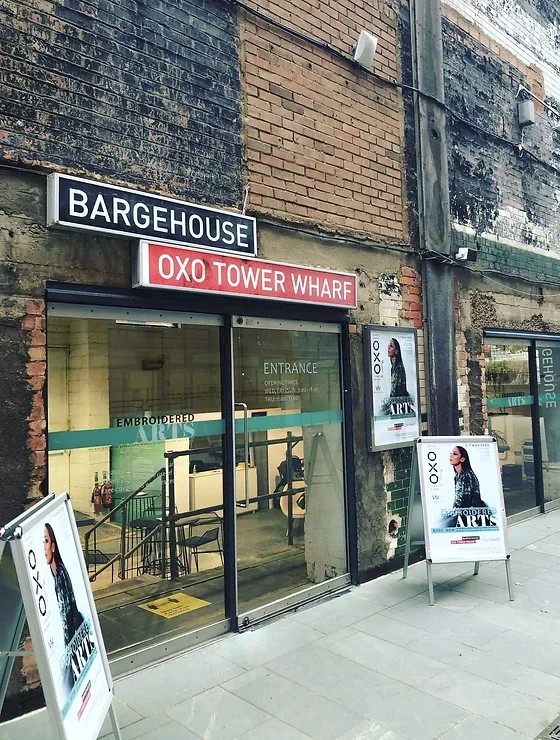
Serina Lee Ying Han is a fashion designer specializing in textiles, printmaking and embroidery. Serina found her artistic beginnings with Chinese painting and calligraphy – a practice she has honed for 15 years. She is currently finishing her last year at LaSalle, but her designs are already making strides in the international arena. Serina’s latest project, Vscent II, is a stunning piece that captures the essence of identity in the age of technology and digital connectivity. (that captures the mortality of online identity) Vscent II was a finalist in the international Hand & Lock Prize 2021, London’s premier embroidery house, and displayed at Oxo Tower Wharf in London last month.
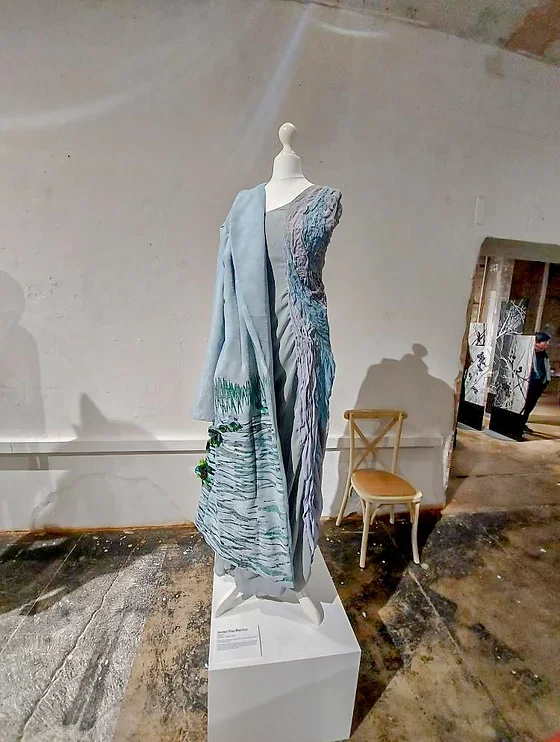
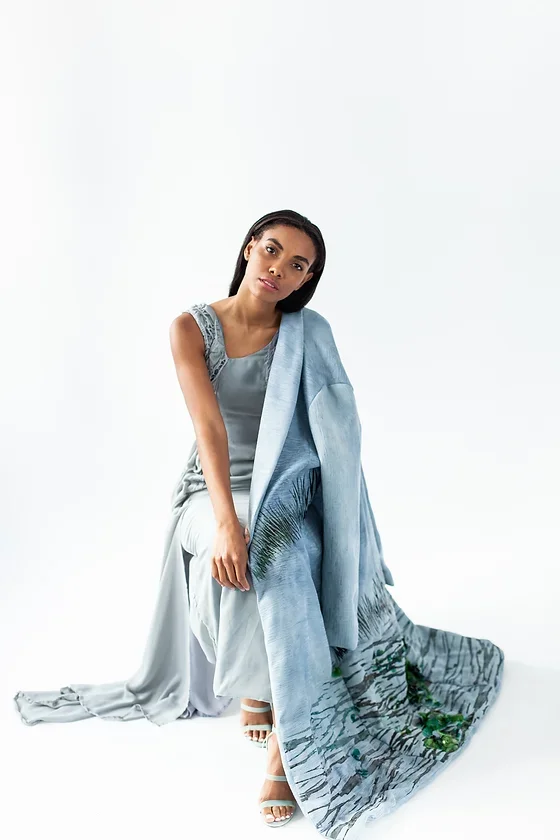
Combining the futuristic, the past, and the fleeting - ‘Vanille’ and ‘Broderie’ represent identity’s polarities. The project’s focal use of bioplastics and embroidery create a moving, fantastical quality to the piece. The dress, in turn, projects the colourful and fluid identities of online gaming personas.
The team at PEONY got to chat with Serina about Vscent II and more about her creative process.
PEONY: Congratulations on placing final with VSCENT II! What drew you to the competition? Tell us more about what made you decide to enter the Hand & Lock prize this year.
Serina: Thank you very much! It was actually my lecturer, Martin. He introduced this competition to me because he used to enter it himself. He felt that it was very relevant to the embroidery work that I’m doing. [I felt] it would push me to a different stage of my work because you get to see what other people do – and at the same time, it pushed me to work harder and elevate the exquisiteness of my hand embroidery, so I quite liked the idea of it.
P: You’ve stated that online identities and personas inspire this project. Could you elaborate on the concepts behind the project and what this means to you?
S: Hand & Lock had a theme of digital identities. The dress was based on virtual worlds that allow characters to travel through time. I referenced avatars and game identities. I wanted to talk about the mortality of online identities, because once you leave it's all gone. And it's sort of fictional – it's not really real life. Through that, I used bioplastics to show the mortality of online identity. I wanted to play on the past and present to showcase online personas and the actual world. For the past, I referenced Greek togas. The futuristic elements were details like electricity currents. The embroidery was done in a flowing pattern, and the smooth-draping fabric gave romantic and medieval fantasy-like qualities to the dress, representing the fantastical world online.
P: Could you tell us more about the two garments, ‘Vanille’ and ‘Broderie’ and how they relate to each other in the scope of the piece?
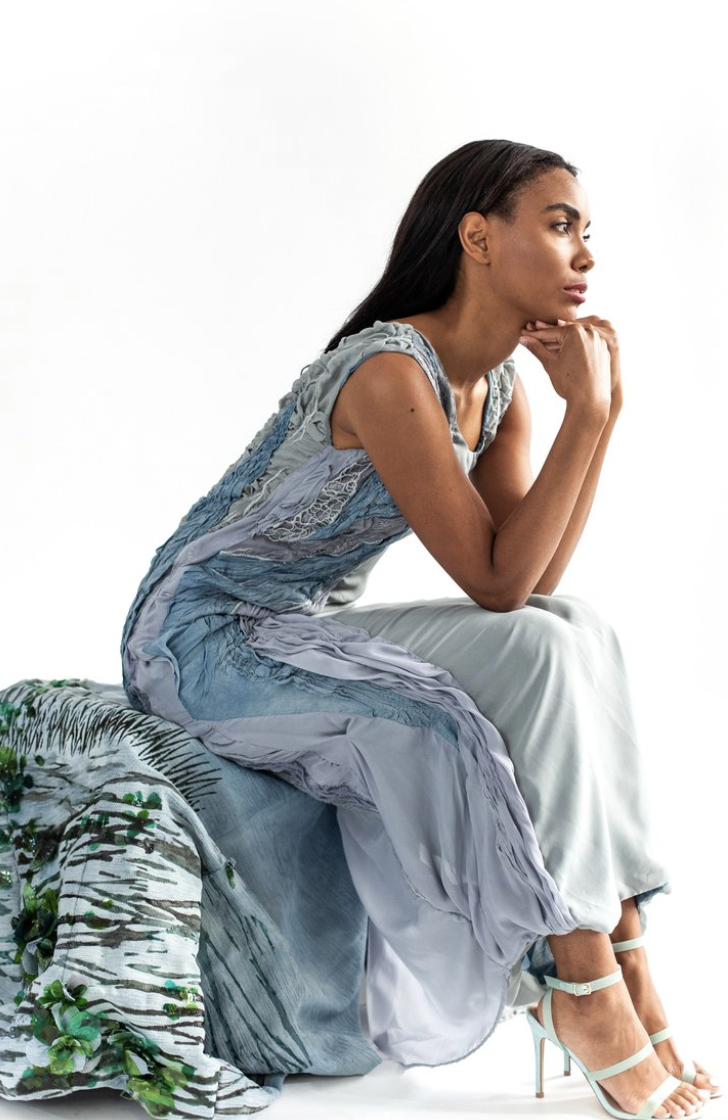
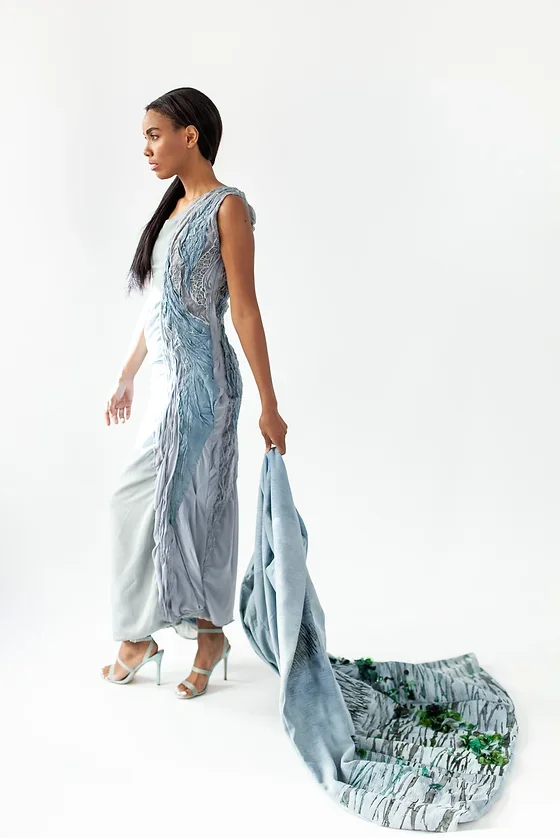
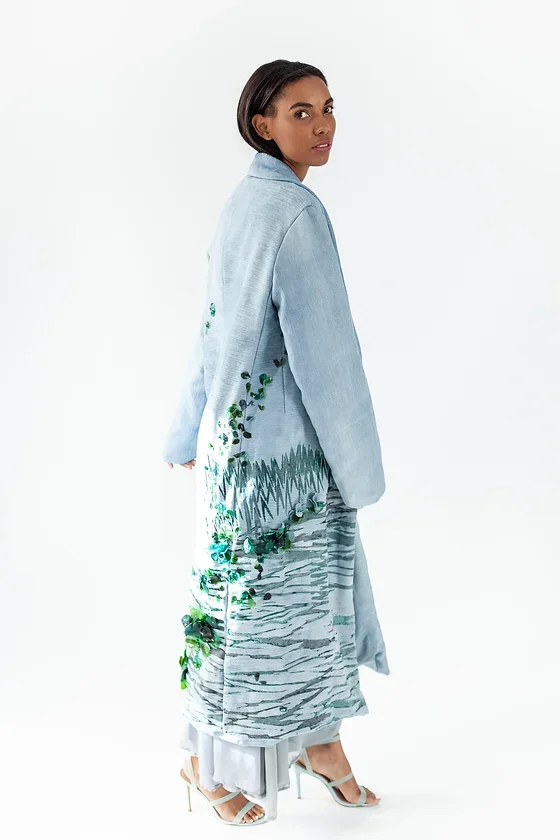
S: Both the pieces are actually quite different. The first dress is made completely with embroidery. It's made of scrap fabrics that became like a full embroidered dress. Some of the threads are glow in the dark; so it's also a little bit futuristic in the sense that it's all made with new materials. The silhouette was also supposed to look very ancient and at the same time, very romantic. So it feels as if your avatar is going into an adventure, and they pick up different materials that become the dress. That’s the story I was going for. The coat is a big coat made up of bioplastics. The base coat is dyed with Indigo dyes, and I embroidered bioplastic flowers on top later. Because it’s all made of natural materials, the coat decomposes fast, representing the impertinence of the online world. That's the contrast, because the dress will never decompose, but the coat will.
P: I understand the garments took one month to make! Walk us through the creative process, and what made you decide to use bioplastics as a focal element of the project?
S: I wanted to use bioplastic because it's a new material. It felt like the building blocks of online identities because I got to make the materials myself from scratch and then embroider them. I also felt it was an interesting direction to go because of the bioplastics’ colour. It has this iridescence, so it looks like online personas with that little bit of glow. I can also control their colour, so that’s why I went for them. I cooked the bioplastics and left them to dry. Once it dried I cut them into individual pieces and burned the edges to make them look more natural, like a flower petal, and then I slowly embroidered them onto the garment. It sort of represented the avatar going into the online world and picking up stuff to put onto the coat. Like when you go and play a game, you can have different levels, and acquire different things to add to your avatar.
P: Is there a particular game that you had in mind?
S: I actually didn't have a game in mind. But there was this game called Prince of Persia that my brother used to play. I quite liked the idea, and it was set in the ancient period.
P: The dress also has details of layers, beads, knots and motifs. Tell us more about the technical process of incorporating these elements?
S: The dress started out with scrap fabric. I used gathered chiffon fabrics and experimented with different types of embroidery. I wanted the embroidery to look very experimental and unconventional. After, I layered everything on top of each other on a mannequin to see where to place them. I wanted it to flow down like a water stream so it felt like a perennial stream of water. I also wanted it to look romantic and a little bit sexy, but at the same time very elegant. So that was what I was going for. I layered some of the fabric very close to each other to represent the currents. I wanted that to be shown clearly in the garment. The embroidery is mostly at the side, which is the focus of the dress. It also shows power, like the power pose when you put your hands on the waist and everything is at the side. And most of the details are at the back of the dress so when you turn around there’s that surprise element. There's also little flower motifs on the embroidered garments which have a very elegant look to them. You see a lot of flowers in the online world. Flowers mean perseverance and tenacity. There are also some areas on the dress that I did hand-embroidered bullion knots. It's like a small detail that my teacher suggested I add. I feel that it adds depth to the garment. It sort of emulates little creatures sitting on the garment. I thought it was interesting that it looks like a setting in the avatar world, the online world. I thought it looked like the world itself.
P: Which part of the project are you most proud of?
S: I'm most proud that it got to be exhibited in London. I haven't even been to London myself, so it's nice that my garments got to go there first. That was the proudest moment for me because it's the first time my garments got exhibited overseas. It's quite exciting. And the process of making the garments was fun because I did most of the stuff at home, like the hand-embroidered parts. I found the process quite therapeutic. I guess the whole process was quite peaceful and serene.
P: With a 15-year background in Chinese painting and calligraphy, could you tell us about the influence this has on your style as a designer?
S: This one doesn't have that much Chinese reference. But I reference the art principles. For painting, we look at the proportion and balance and like the colour placement. So it helps a lot when it comes to designing because I know which part I should leave empty. I feel that sometimes not having any embellishment pulls the focus towards the embellishment.
P: Any artistic endeavors planned for the future? What can we expect to see from you next?
S: Right now, I'm working on my final year project. So yeah, that will be next. I'm looking more towards Chinese painting and calligraphy, so it will be more focused on that. I'm very excited about it!